Industrial Stainless Screen Selection Guide for Filtration Efficiency
The Ultimate Guide to Selecting the Right Stainless Screen for Industrial Use
In the demanding world of industrial filtration and separation, the quality of your equipment can be the difference between operational efficiency and costly downtime. A high-performance stainless screen is an essential component across various sectors, offering unmatched durability and precision. Whether you are dealing with corrosive chemicals, extreme temperatures, or abrasive materials, choosing a screen made from premium stainless steel ensures long-term reliability. In this comprehensive guide, we will explore the technical nuances, material grades, and application strategies to help you optimize your filtration processes and maximize ROI.
Understanding Different Types of Stainless Screen Weaves
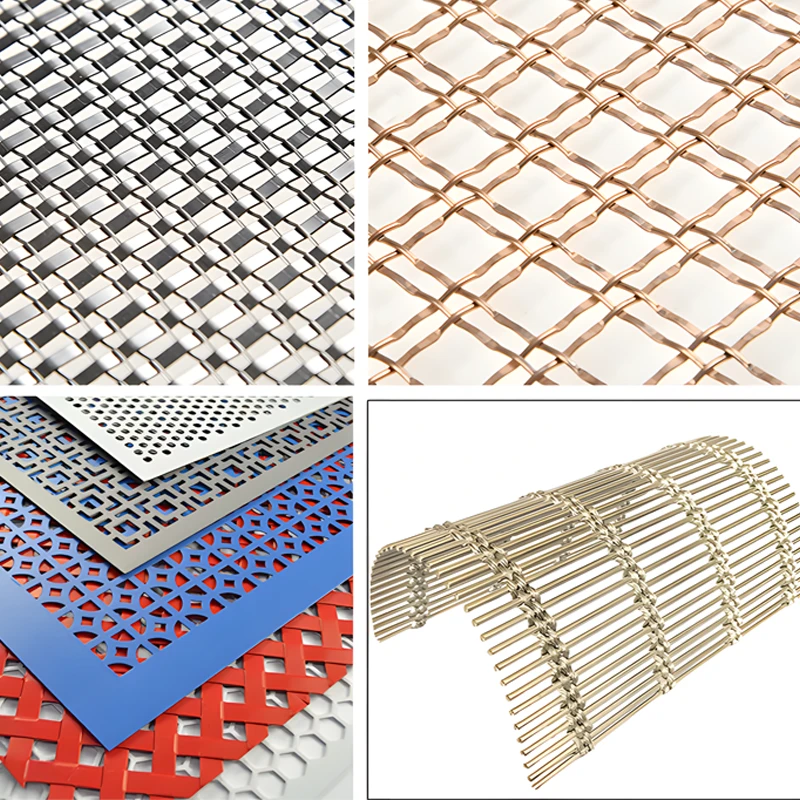
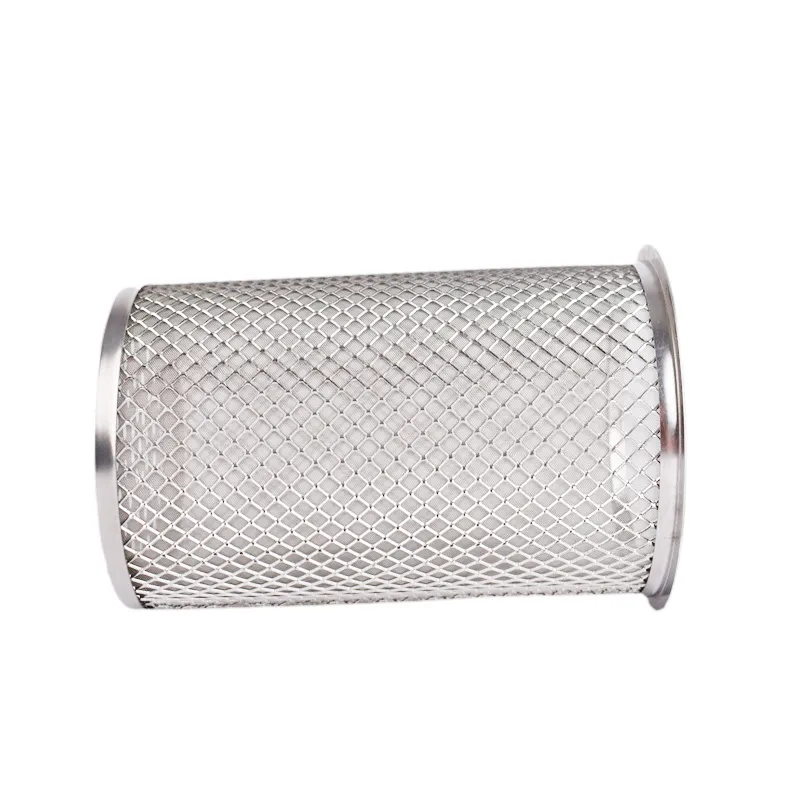
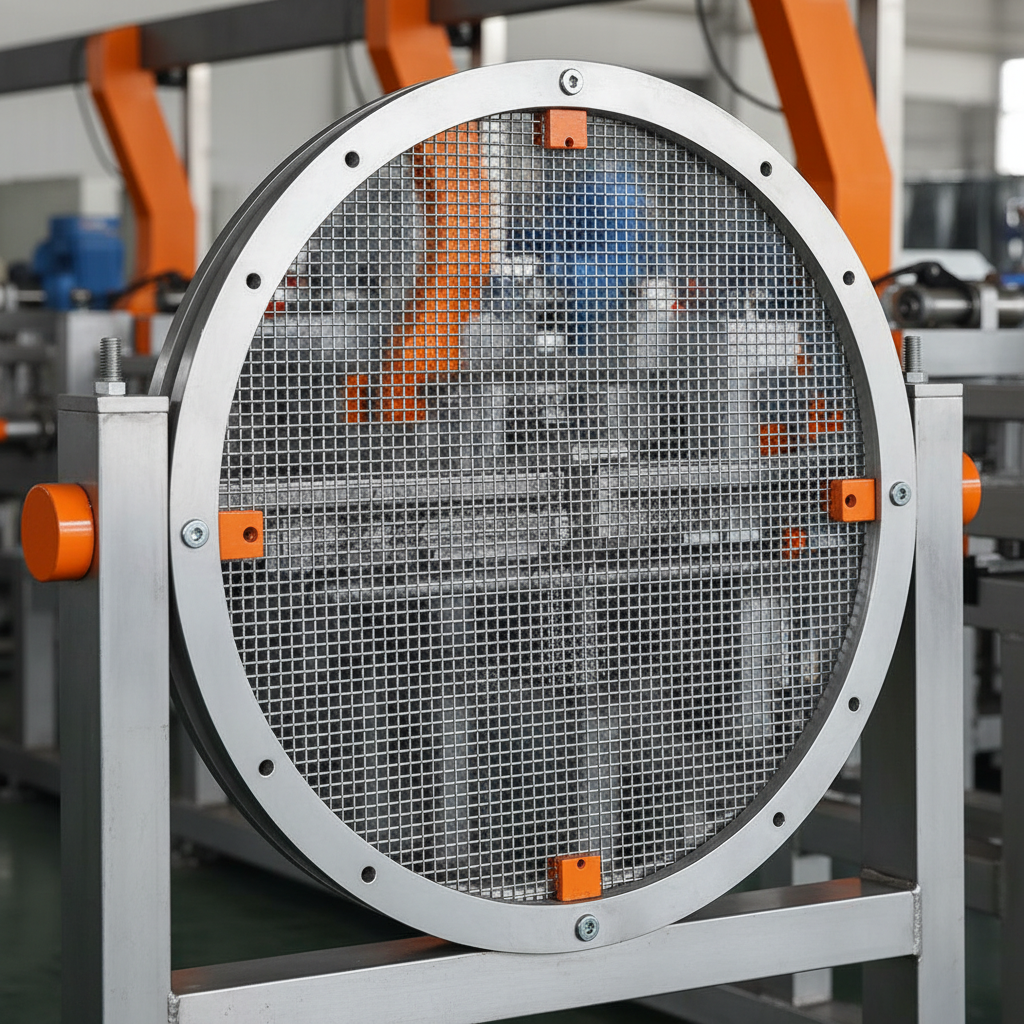
Not all screens are created equal. The weave pattern of a stainless screen determines its openness, strength, and filtration accuracy. Plain weave is the most common, providing a consistent opening size for general purpose filtration. For those requiring higher flow rates and better stability, twill weave is preferred due to its thicker wire and tighter weave. Additionally, Dutch weave is specifically engineered for high-precision liquid filtration where absolute retention is critical. Selecting the correct weave prevents premature clogging and ensures that the flow rate matches your system's requirements.
Pro Tip: When choosing between plain and twill weaves, consider the particle shape. Spherical particles generally flow better through plain weaves, while elongated particles are handled more efficiently by twill weaves.
Material Grade Comparison for Stainless Screen Durability
The grade of stainless steel used in a stainless screen drastically affects its resistance to corrosion. While 304 stainless steel is a versatile and cost-effective choice for many environments, 316L is the industry standard for marine or pharmaceutical applications due to its molybdenum content, which resists chloride pitting. For extreme chemical exposure, alloys like Hastelloy or Monel might be necessary, though they come at a higher price point. Understanding the chemistry of your filtered medium is the first step in avoiding material failure.
Key Applications of the Industrial Stainless Screen
The versatility of the stainless screen allows it to be implemented across a vast array of industries. In Mining and Quarrying, these screens are used for sizing raw ores and removing debris. In the Food and Beverage sector, they ensure that purity standards are met by filtering out contaminants from liquids and powders. Furthermore, Water Treatment plants rely on stainless mesh to remove solids from influent streams, protecting downstream pumps and membranes from damage. The strength and hygienic properties of stainless steel make it the only viable choice for these critical operations.
Maximizing the Lifespan of Your Stainless Screen
Even the highest quality stainless screen can wear down if not properly maintained. Blinding, where particles become lodged in the mesh, is a common issue that reduces efficiency. To combat this, implementing automated cleaning systems or ultrasonic cleaning can significantly extend the service life. Additionally, monitoring the pressure differential across the screen allows operators to identify the exact moment cleaning is required, preventing the mesh from rupturing under excessive pressure. Regular inspections for "wire thinning" or holes are essential for maintaining product quality.
Maintenance Checklist:
• Daily check for mesh blinding or surface buildup
• Weekly inspection of frame welds and support structures
• Monthly pressure drop analysis to evaluate flow efficiency
• Annual metallurgical check for corrosion or pitting
Technical Specifications for Stainless Screen Selection
When ordering a custom stainless screen, providing precise technical specifications is critical to ensure a perfect fit and function. Key parameters include the Mesh Count (the number of wires per linear inch) and the Wire Diameter. Together, these determine the Aperture Size (the size of the opening). For high-pressure applications, the thickness of the support frame and the method of attachment (welded vs. clamped) must be specified to prevent bypassing. Below are the standard specifications typically requested in industrial procurement.
Conclusion: Optimizing Your Process with Quality Screens
Investing in a premium stainless screen is not just about buying a piece of mesh; it is about ensuring the stability of your entire production line. By carefully selecting the right weave, material grade, and technical specifications, you can drastically reduce maintenance costs and improve product purity. Whether you are in the food, chemical, or mining industry, the right filtration solution is the foundation of operational excellence. Trust in professional engineering and high-grade materials to keep your business running smoothly.
Frequently Asked Questions (FAQs)
How do I choose the correct mesh size for my application?
Choosing the correct mesh size requires a clear understanding of the smallest particle you need to retain. As a general rule, the aperture size should be slightly smaller than the particles you wish to filter out. However, you must also consider the "effective opening" vs. the "nominal opening." In a stainless screen, the wire diameter occupies space, which can affect the actual flow. We recommend conducting a sample test with your specific material to ensure the mesh size doesn't cause excessive pressure drops while still achieving the desired filtration accuracy.
What is the difference between 304 and 316 stainless steel screens?
The primary difference lies in the chemical composition. Stainless 304 contains chromium and nickel, offering excellent resistance to oxidation and general corrosion. Stainless 316, however, adds molybdenum to the mix. This addition makes 316 far more resistant to pitting and crevice corrosion, particularly in environments containing chlorides (like salt water) or acidic solutions. If your process involves seawater, brine, or harsh chemical reagents, 316 or 316L is the only recommended choice to avoid premature failure of the screen.
Can stainless screens be cleaned and reused?
Yes, one of the biggest advantages of a stainless screen is its reusability. Unlike disposable paper or fabric filters, stainless mesh can be cleaned using various methods. Backwashing (reversing the flow of fluid) is the most common industrial method. For stubborn residues, chemical soaking or ultrasonic cleaning can be used to restore the original open area. However, it is important to use cleaning agents that are compatible with the steel grade to avoid inducing stress corrosion cracking or pitting.
What causes a stainless screen to fail prematurely?
Premature failure is usually caused by three main factors: corrosion, mechanical abrasion, and pressure surges. Corrosion occurs when the wrong grade of steel is chosen for the chemical environment. Abrasion happens when sharp, hard particles wear down the wire diameter over time. Pressure surges (water hammer) can cause the mesh to stretch or tear away from the frame. To prevent this, ensure you have a proper pressure regulation system in place and select a wire diameter that can withstand the physical impact of your specific media.